




Case Study
The Rising Tide
SmartX & Milemarker Integrate, The Can't Miss Workflow Webinar Replay & Verity Larsen on the Pod
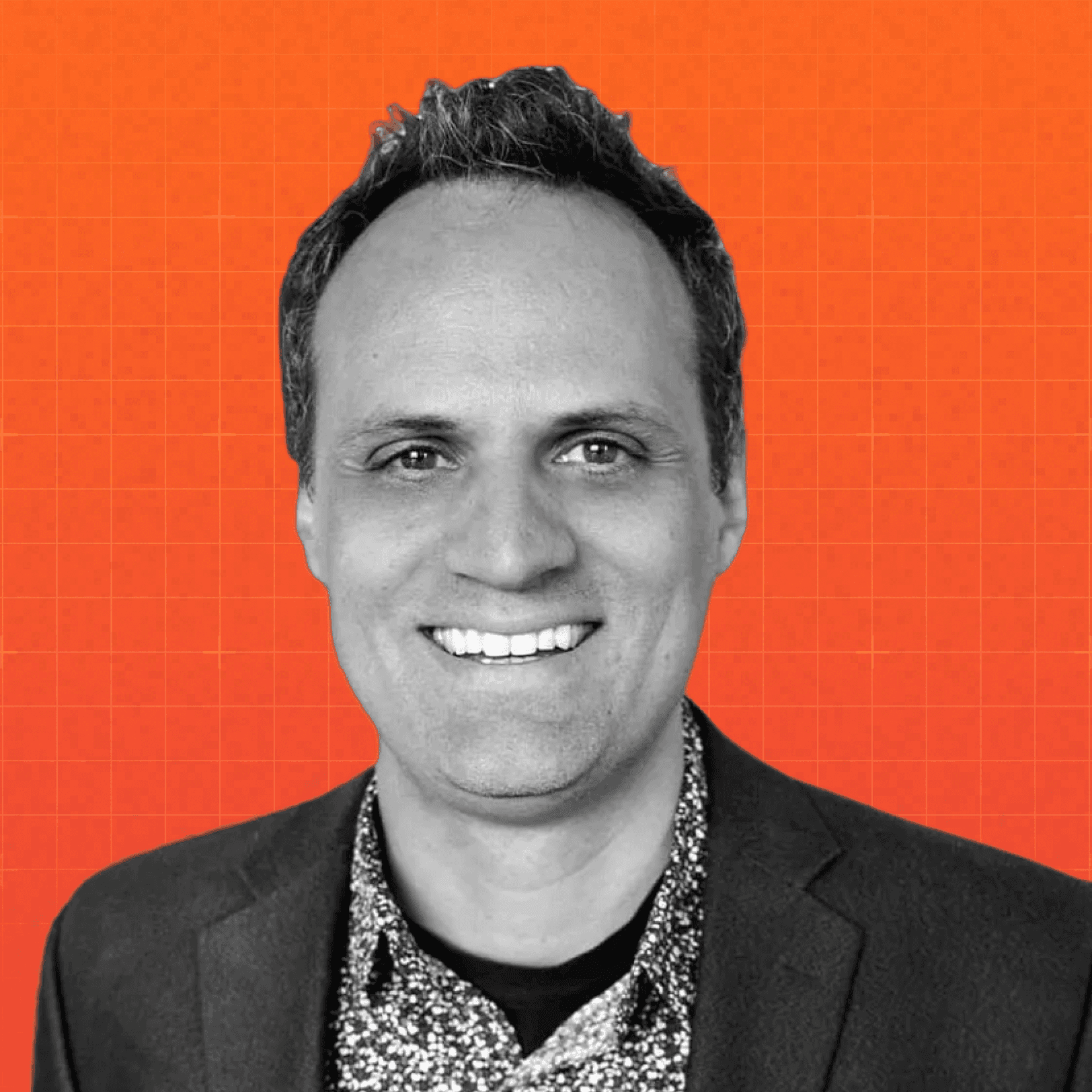
Jud Mackrill
I’m back in Tampa for the second time this month. And I’m not complaining.
This city has something going for it. The energy is good. The food is better. If you haven’t had the chef’s burrito at Green Lemon on South Howard, fix that. It’s one of those spots that keeps pulling me back.
But that’s not what this week is about.
This week is end-of-month. And at Milemarker, end-of-month means something specific.
We get together as a team. We walk through the business — the mission, the product, the customers, the numbers. We talk about where we are. We look back first. Then we look forward. And then we go forward together.
It’s not complicated, but it is phenomenal.
Here’s why: The last section of every one of these meetings is the part I care about most. It’s the part where we acknowledge each other.
In 22 years of doing this work, I have never experienced anything more rewarding than this practice. Full stop.
When you take time — real, intentional time — to acknowledge the people you go to battle with every day? The people who bring their best to your company, your customers, your culture? There is nothing like it.
And the more I do it, the more I wish everyone did it. But I know most places think there too busy to make time for it. I’ve worked at enough companies to know that acknowledgment is rare. Most people go years without hearing it from the people they work alongside.
Here’s what I’ve learned: this practice changes you as a leader.
When you understand your people deeply — not just from your own interactions, but from the collective, from what everyone on the team sees in each other — it changes everything. It changes how you value them. It changes how you think about the work. And suddenly, the whole thing stops being transactional. It becomes something far greater.
A person who has had a huge influence on my life is Tom Osborne. Most people know him as the legendary Nebraska football coach. 255 wins. Three national championships. A record of 255-49-3 across 25 seasons. The College Football Hall of Fame waived its three-year waiting period to get him in.
But what most people don’t know is that Tom Osborne holds a PhD in educational psychology from the University of Nebraska. He earned it in 1965 — before he ever became a head coach. He went on to write multiple books, including More Than Winning and Faith in the Game, that had nothing to do with X’s and O’s. They had everything to do with people.
Osborne talked extensively about the shift from transactional leadership to transformational leadership. He described how, early in his career, everything was about outcomes — beat Oklahoma, win a national championship, meet the expectations. And for the first 10 to 15 years, he operated in that transactional mode.
But over time, something changed. He stopped chasing the scoreboard and started investing in the people. He put players at the center. He built a culture where the staff served the athletes, not the other way around. He believed the best way to change behavior was to catch someone doing something right and reinforce it.
And when he made that shift? That’s when the championships came. The three titles — in 1994, 1995, and 1997 — all came after he moved from transactional to transformational.
I think about this a lot.
In our industry — wealth management, fintech, whatever you want to call it — we’re surrounded by transactions. Integrations. Data feeds. Contracts. Migrations. Basis points. It’s easy to let the whole thing become mechanical.
But the companies that win aren’t the ones optimizing for transactions. They’re the ones building cultures where people feel seen, valued, and invested in. Where acknowledgment isn’t a quarterly HR exercise. It’s woven into the rhythm of how the team operates.
When you come together at the end of the month and someone says something about a colleague that reveals a depth of understanding you didn’t expect — that’s transformational. When a team member who’s been grinding on a complex integration hears, from someone in a completely different function, that their work mattered — that’s transformational. When people feel like the work they do connects to something bigger than a deliverable — that’s the whole game.
Osborne built one of the greatest dynasties in college football history. But he didn’t do it by running better plays. He did it by caring about people more deeply than anyone else in the building.
That’s the model. That’s what I’m chasing.
If you’re leading a team — of any size, in any industry — I’d challenge you to try this. End your next team meeting with acknowledgment. Not performance reviews. Not KPIs. Just one simple question: Who on this team do you want to acknowledge, and why?
You might be surprised what happens next.
Have a great weekend. Go acknowledge somebody.
Case Study
The Rising Tide
SmartX & Milemarker Integrate, The Can't Miss Workflow Webinar Replay & Verity Larsen on the Pod
Jud Mackrill
I’m back in Tampa for the second time this month. And I’m not complaining.
This city has something going for it. The energy is good. The food is better. If you haven’t had the chef’s burrito at Green Lemon on South Howard, fix that. It’s one of those spots that keeps pulling me back.
But that’s not what this week is about.
This week is end-of-month. And at Milemarker, end-of-month means something specific.
We get together as a team. We walk through the business — the mission, the product, the customers, the numbers. We talk about where we are. We look back first. Then we look forward. And then we go forward together.
It’s not complicated, but it is phenomenal.
Here’s why: The last section of every one of these meetings is the part I care about most. It’s the part where we acknowledge each other.
In 22 years of doing this work, I have never experienced anything more rewarding than this practice. Full stop.
When you take time — real, intentional time — to acknowledge the people you go to battle with every day? The people who bring their best to your company, your customers, your culture? There is nothing like it.
And the more I do it, the more I wish everyone did it. But I know most places think there too busy to make time for it. I’ve worked at enough companies to know that acknowledgment is rare. Most people go years without hearing it from the people they work alongside.
Here’s what I’ve learned: this practice changes you as a leader.
When you understand your people deeply — not just from your own interactions, but from the collective, from what everyone on the team sees in each other — it changes everything. It changes how you value them. It changes how you think about the work. And suddenly, the whole thing stops being transactional. It becomes something far greater.
A person who has had a huge influence on my life is Tom Osborne. Most people know him as the legendary Nebraska football coach. 255 wins. Three national championships. A record of 255-49-3 across 25 seasons. The College Football Hall of Fame waived its three-year waiting period to get him in.
But what most people don’t know is that Tom Osborne holds a PhD in educational psychology from the University of Nebraska. He earned it in 1965 — before he ever became a head coach. He went on to write multiple books, including More Than Winning and Faith in the Game, that had nothing to do with X’s and O’s. They had everything to do with people.
Osborne talked extensively about the shift from transactional leadership to transformational leadership. He described how, early in his career, everything was about outcomes — beat Oklahoma, win a national championship, meet the expectations. And for the first 10 to 15 years, he operated in that transactional mode.
But over time, something changed. He stopped chasing the scoreboard and started investing in the people. He put players at the center. He built a culture where the staff served the athletes, not the other way around. He believed the best way to change behavior was to catch someone doing something right and reinforce it.
And when he made that shift? That’s when the championships came. The three titles — in 1994, 1995, and 1997 — all came after he moved from transactional to transformational.
I think about this a lot.
In our industry — wealth management, fintech, whatever you want to call it — we’re surrounded by transactions. Integrations. Data feeds. Contracts. Migrations. Basis points. It’s easy to let the whole thing become mechanical.
But the companies that win aren’t the ones optimizing for transactions. They’re the ones building cultures where people feel seen, valued, and invested in. Where acknowledgment isn’t a quarterly HR exercise. It’s woven into the rhythm of how the team operates.
When you come together at the end of the month and someone says something about a colleague that reveals a depth of understanding you didn’t expect — that’s transformational. When a team member who’s been grinding on a complex integration hears, from someone in a completely different function, that their work mattered — that’s transformational. When people feel like the work they do connects to something bigger than a deliverable — that’s the whole game.
Osborne built one of the greatest dynasties in college football history. But he didn’t do it by running better plays. He did it by caring about people more deeply than anyone else in the building.
That’s the model. That’s what I’m chasing.
If you’re leading a team — of any size, in any industry — I’d challenge you to try this. End your next team meeting with acknowledgment. Not performance reviews. Not KPIs. Just one simple question: Who on this team do you want to acknowledge, and why?
You might be surprised what happens next.
Have a great weekend. Go acknowledge somebody.


The Infrastructure for Wealth
Phone
+1 (470) 502-5600
Address
Milemarker Inc.
16192 Coastal Highway
Lewes, Delaware 19958
Built by Teams In:
Atlanta, Charleston, Cincinnati, Denver, Omaha & Portland.



Partners

Platform


Solutions
© 2026 Milemarker Inc. All rights reserved
DISCLAIMER: All product names, logos, and brands are property of their respective owners in the U.S. and other countries, and are used for identification purposes only. Use of these names, logos, and brands does not imply affiliation or endorsement.
The Infrastructure for Wealth
Phone
+1 (470) 502-5600
Address
Milemarker Inc.
16192 Coastal Highway
Lewes, Delaware 19958
Built by Teams In:
Atlanta, Charleston, Cincinnati, Denver, Omaha & Portland.
Partners
Platform
Solutions
© 2026 Milemarker Inc. All rights reserved
DISCLAIMER: All product names, logos, and brands are property of their respective owners in the U.S. and other countries, and are used for identification purposes only. Use of these names, logos, and brands does not imply affiliation or endorsement.
The Infrastructure for Wealth
Phone
+1 (470) 502-5600
Address
Milemarker Inc.
16192 Coastal Highway
Lewes, Delaware 19958
Built by Teams In:
Atlanta, Charleston, Cincinnati, Denver, Omaha & Portland.
Partners
Platform
Solutions
© 2026 Milemarker Inc. All rights reserved
DISCLAIMER: All product names, logos, and brands are property of their respective owners in the U.S. and other countries, and are used for identification purposes only. Use of these names, logos, and brands does not imply affiliation or endorsement.
Empowering Advisors
To Enjoy Every Mile.
Phone
+1 (470) 502-5600
Address
Milemarker Inc.
16192 Coastal Highway
Lewes, Delaware 19958
Built by Teams In:
Atlanta, Charleston, Cincinnati, Denver, Omaha & Portland.
Partners