




Case Study
The Rising Tide
2X Wealthie Nominations, Pershing INSITE Recap & A Look at How to Instill Freedom in Your Firm
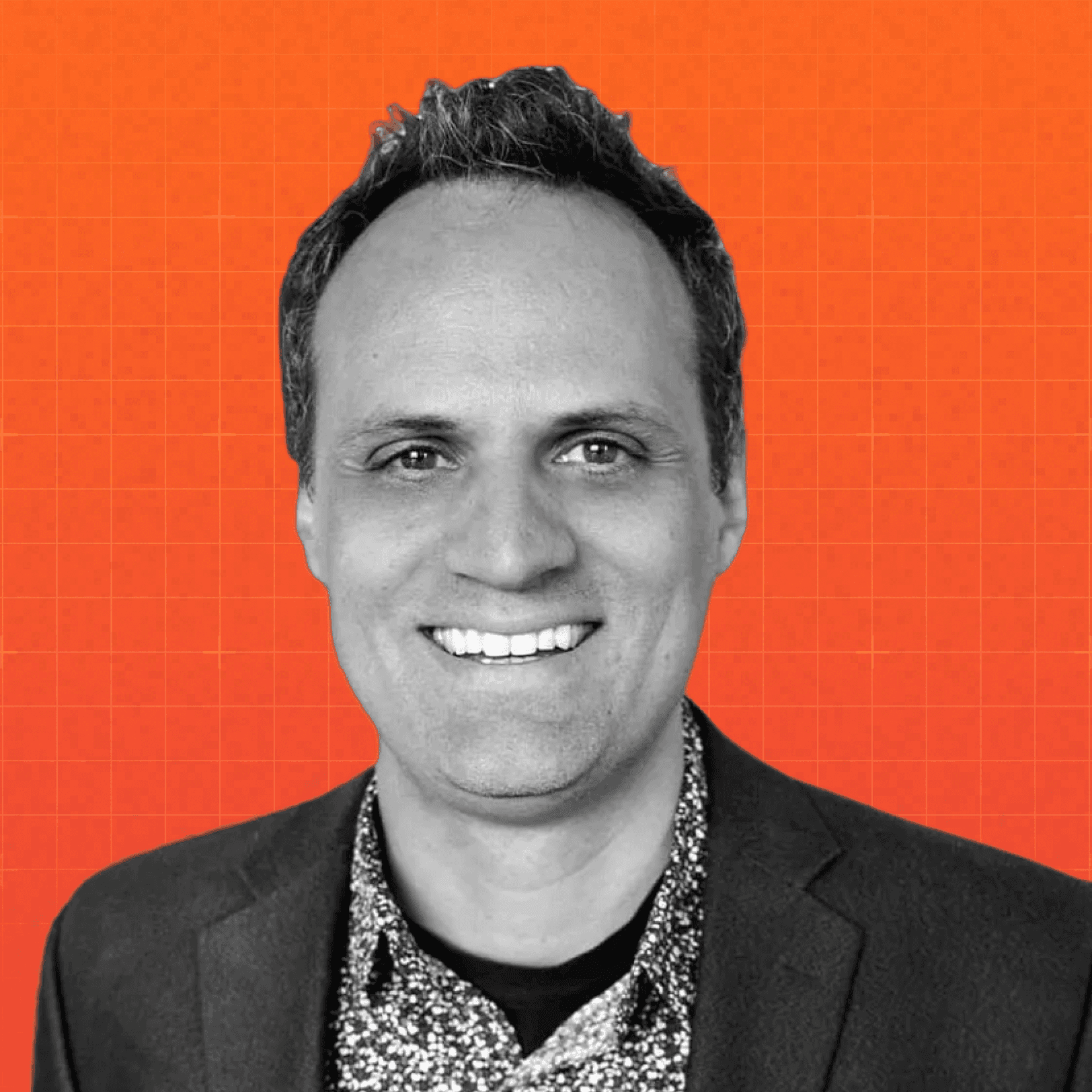
Jud Mackrill
I hope you're having a great weekend.
I spent most of this week in Denver. Walked every morning before the meetings started and got to enjoy where the Great Plains run into the Rockies.
Most people call it flyover country. The part of the map you sleep through.
But, I think they're wrong.
The plains are one of the most diverse ecosystems on earth. Grasses, thistles, legumes. This is the land that once held millions of bison.
I grew up on it.
While walking among the grasses this week, one plant caught my eye and stopped me in my tracks. Sweet clover.
Growing up, my family kept bees. Six thousand hives that followed the bloom from the Dakotas to Texas to California. The secret to the finest honey in the world isn't a secret; it’s what they pollinate. You put bees on clover and alfalfa? That's it.
No two operations make the same honey. Ours tasted like our land, because it came from our land, and nobody could replicate it exactly.
So I wasn't just looking at a plant. I was looking at the thing that built my family.
Here's what most people forget about that land.
Decades ago, the government rolled out the Conservation Reserve Program (CRP). The pitch was almost heretical to a farmer: stop farming some of this.
The suggestion wasn’t made because the land was worthless. It was because it had been worked until it couldn't give anything back.
So they let it go back to grass.
And the land didn't just recover. It exploded. Ducks, pheasants, waterfowl in numbers nobody expected. Some of the best hunting in the world grew out of one decision.
Stop ruthless extraction. Start restoring.
Yesterday I listened to Susie Cranston, the CEO of Cresset, talk about the future of her firm. She named two things.
Build a place that attracts talent and lets it thrive.
And own her data.
She was describing the CRP without knowing it.
Most firms haven't farmed their data to death. They've done something more understandable.
They kept adding.
Another vendor. Another point solution. Another system bolted on to patch the last one. Every purchase solved a real problem the day it was made. Stack ten years of them together and you get what most firms have now. A stack nobody fully controls, on ground nobody owns.
I sat with a firm last month that wanted one number. Total revenue by advisor, blended across two custodians. Simple question. It took three people, two logins, and most of a week to answer. Not because they're bad at their jobs. Because the answer lived in someone else's system, in someone else's format, on land they didn't own.
Here's what almost nobody says out loud. While the mess can look overwhelming, much more of this is in your control than you think, but only if you own your data.
Own it, and the vendors become tenants, not landlords. You decide what stays, what goes, what comes back. You stop renting access to your own business.
Sweet clover reminded me of something this week.
The clover doesn't just keep the soil in place. It feeds the bees that make honey. The land, the clover, and the bees are all necessary to make the one that only our land could make.
Restoration doesn't just bring back what you lost.
It produces something only you can make.
The firms that win the next decade won't be the ones who planted the most.
They'll be the ones who restored the land.
And tasted what came back.
Case Study
The Rising Tide
2X Wealthie Nominations, Pershing INSITE Recap & A Look at How to Instill Freedom in Your Firm
Jud Mackrill
I hope you're having a great weekend.
I spent most of this week in Denver. Walked every morning before the meetings started and got to enjoy where the Great Plains run into the Rockies.
Most people call it flyover country. The part of the map you sleep through.
But, I think they're wrong.
The plains are one of the most diverse ecosystems on earth. Grasses, thistles, legumes. This is the land that once held millions of bison.
I grew up on it.
While walking among the grasses this week, one plant caught my eye and stopped me in my tracks. Sweet clover.
Growing up, my family kept bees. Six thousand hives that followed the bloom from the Dakotas to Texas to California. The secret to the finest honey in the world isn't a secret; it’s what they pollinate. You put bees on clover and alfalfa? That's it.
No two operations make the same honey. Ours tasted like our land, because it came from our land, and nobody could replicate it exactly.
So I wasn't just looking at a plant. I was looking at the thing that built my family.
Here's what most people forget about that land.
Decades ago, the government rolled out the Conservation Reserve Program (CRP). The pitch was almost heretical to a farmer: stop farming some of this.
The suggestion wasn’t made because the land was worthless. It was because it had been worked until it couldn't give anything back.
So they let it go back to grass.
And the land didn't just recover. It exploded. Ducks, pheasants, waterfowl in numbers nobody expected. Some of the best hunting in the world grew out of one decision.
Stop ruthless extraction. Start restoring.
Yesterday I listened to Susie Cranston, the CEO of Cresset, talk about the future of her firm. She named two things.
Build a place that attracts talent and lets it thrive.
And own her data.
She was describing the CRP without knowing it.
Most firms haven't farmed their data to death. They've done something more understandable.
They kept adding.
Another vendor. Another point solution. Another system bolted on to patch the last one. Every purchase solved a real problem the day it was made. Stack ten years of them together and you get what most firms have now. A stack nobody fully controls, on ground nobody owns.
I sat with a firm last month that wanted one number. Total revenue by advisor, blended across two custodians. Simple question. It took three people, two logins, and most of a week to answer. Not because they're bad at their jobs. Because the answer lived in someone else's system, in someone else's format, on land they didn't own.
Here's what almost nobody says out loud. While the mess can look overwhelming, much more of this is in your control than you think, but only if you own your data.
Own it, and the vendors become tenants, not landlords. You decide what stays, what goes, what comes back. You stop renting access to your own business.
Sweet clover reminded me of something this week.
The clover doesn't just keep the soil in place. It feeds the bees that make honey. The land, the clover, and the bees are all necessary to make the one that only our land could make.
Restoration doesn't just bring back what you lost.
It produces something only you can make.
The firms that win the next decade won't be the ones who planted the most.
They'll be the ones who restored the land.
And tasted what came back.


The Infrastructure for Wealth
Phone
+1 (470) 502-5600
Address
Milemarker Inc.
16192 Coastal Highway
Lewes, Delaware 19958
Built by Teams In:
Atlanta, Charleston, Cincinnati, Denver, Omaha & Portland.



Partners

Platform


Solutions
© 2026 Milemarker Inc. All rights reserved
DISCLAIMER: All product names, logos, and brands are property of their respective owners in the U.S. and other countries, and are used for identification purposes only. Use of these names, logos, and brands does not imply affiliation or endorsement.
The Infrastructure for Wealth
Phone
+1 (470) 502-5600
Address
Milemarker Inc.
16192 Coastal Highway
Lewes, Delaware 19958
Built by Teams In:
Atlanta, Charleston, Cincinnati, Denver, Omaha & Portland.
Partners
Platform
Solutions
© 2026 Milemarker Inc. All rights reserved
DISCLAIMER: All product names, logos, and brands are property of their respective owners in the U.S. and other countries, and are used for identification purposes only. Use of these names, logos, and brands does not imply affiliation or endorsement.
The Infrastructure for Wealth
Phone
+1 (470) 502-5600
Address
Milemarker Inc.
16192 Coastal Highway
Lewes, Delaware 19958
Built by Teams In:
Atlanta, Charleston, Cincinnati, Denver, Omaha & Portland.
Partners
Platform
Solutions
© 2026 Milemarker Inc. All rights reserved
DISCLAIMER: All product names, logos, and brands are property of their respective owners in the U.S. and other countries, and are used for identification purposes only. Use of these names, logos, and brands does not imply affiliation or endorsement.
Empowering Advisors
To Enjoy Every Mile.
Phone
+1 (470) 502-5600
Address
Milemarker Inc.
16192 Coastal Highway
Lewes, Delaware 19958
Built by Teams In:
Atlanta, Charleston, Cincinnati, Denver, Omaha & Portland.
Partners