




Case Study
The Rising Tide
How embracing collaborative learning can lead to transformative impact
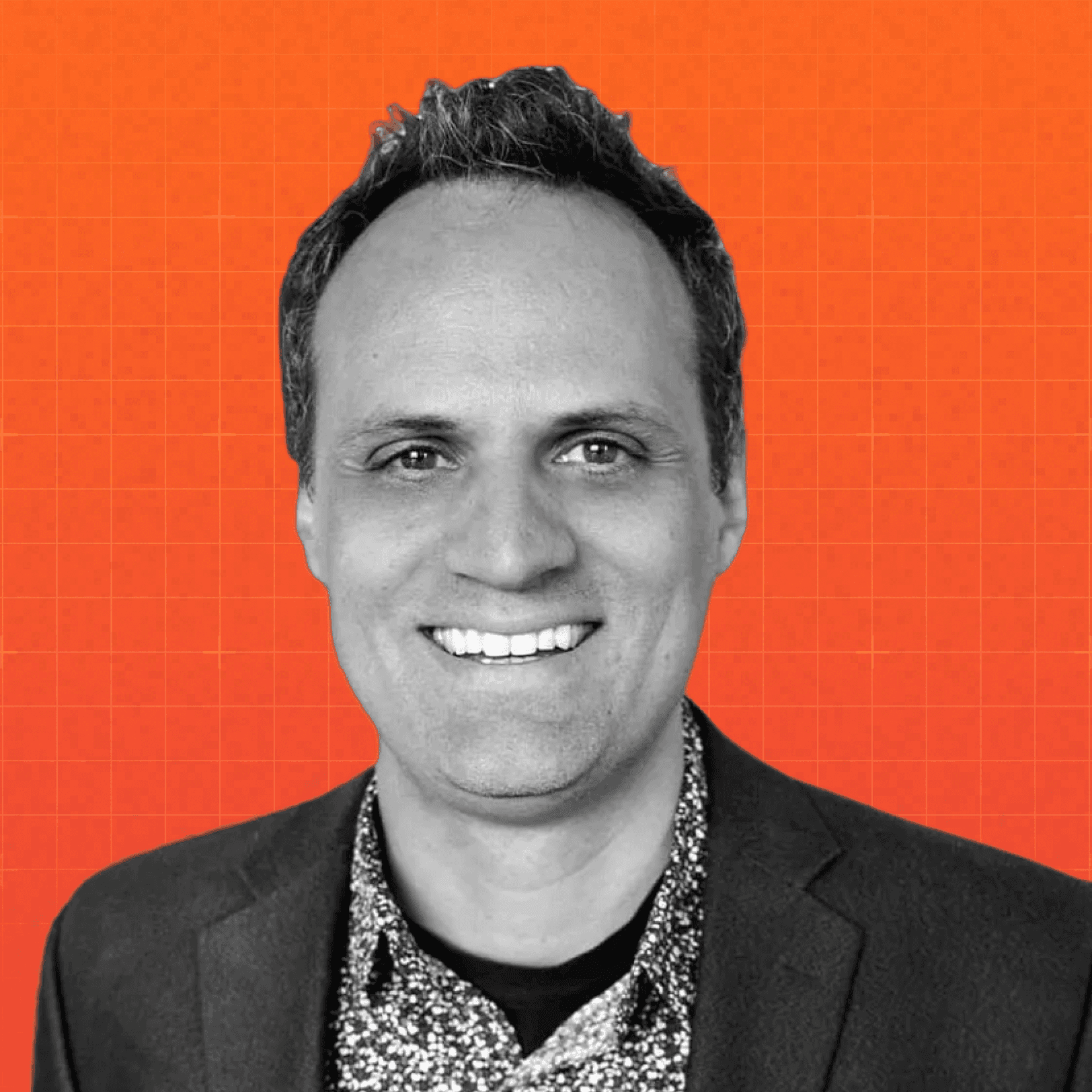
Jud Mackrill
January 2nd.
Most people were still recovering from New Year's Eve. I was standing in front of our team announcing a new company mandate.
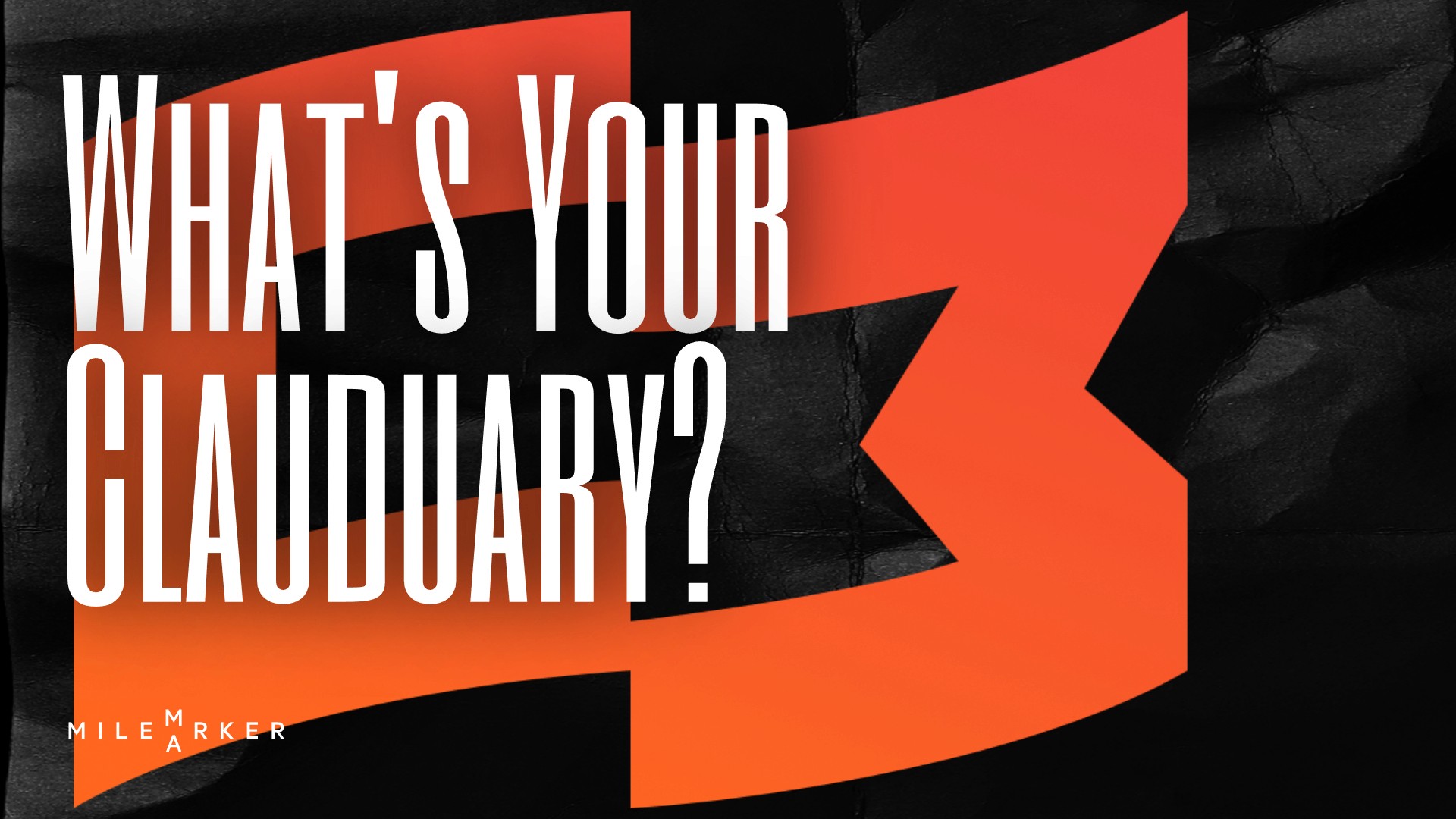
I called it Clauduary.
The idea was simple: every week in January, each person on our team—ops, sales, marketing, design, engineering—had to share something they'd built or figured out using Claude. Not just "I tried it." Something real. Something that changed how they worked.
No exceptions. No observers.
Why it mattered
We were already in a partnership with Snowflake. We'd built our own AI-powered product. AI was core to what we sold.
But I was watching my team—smart, capable people—and was filled with deep curiosity of what they could unlock if they dug deeper.
The tools were there. The access was there. The habit wasn't.
Clauduary was about forcing the habit. Publicly. Together.
What happened
Something shifted fast.
Within a week, people were showing each other things none of us had thought to try. Automations. Prompts. Entire workflows that didn't exist before. One person figured out how to compress a two-hour research task into 20 minutes. Another built something in Claude Code that our team had been talking about for months.
We moved everyone onto Claude's Team plan. We set up Projects. We built Skills.
The rapid iteration was real. The ROI was obvious. Worth every cent—by a long shot.
The bigger thing
Here's what Clauduary reminded me.
Education has never mattered more—and it's never been harder to keep up.
We can't rely on what we learned five years ago. The floor is rising. The clients we serve are getting smarter. The questions they're asking are getting harder.
Years ago, Jamie Hopkins and I were at Carson together. We pushed a mandate: every client-facing advisor had to earn their CFP. It wasn't popular at first. But it worked. It raised the floor. It created a culture where learning wasn't optional.
I think that bar only goes higher from here.
Clients don't just want someone who passed an exam. They want someone who understands the current landscape—tax, markets, technology, planning—and can apply it to their life. That requires people who are genuinely curious. People who are building new skills, not defending old ones.
Where we are now
Clauduary was supposed to end January 31st.
It didn't.
I wouldn’t let it.
The momentum was too good to stop. So we extended it through February—because no one said Claudary only had 31 days. Same principle. Keep sharing. Keep building. Keep surprising each other.
Now it's March. We're calling it the Ides of Claude. And yes, I'm already thinking about what April looks like.
The point is: what started as a one-month experiment has turned into something more durable. A rhythm. A culture. A standing expectation that we're all moving forward together—not at the speed of the most enthusiastic person on the team, but as a collective.
New things keep showing up. New use cases. New ideas from people I wouldn't have expected.
That's the thing about cultures of learning. They compound.
The question for you
What's your Clauduary?
Not AI specifically—though I do think you should be using it. I mean: how are you, as a leader, creating the conditions for your team to learn together?
Is there a shared challenge? A shared goal? A weekly ritual that forces the habit?
Because the firms that figure this out aren't just going to be better at technology. They're going to be better at everything. Better at serving clients. Better at retaining talent. Better at adapting when the next thing shows up—and it will.
A healthy brain loves to learn. I genuinely believe that. I hope it's true for you too.
— Jud
What are you building with AI at your firm? Hit reply. I read every response.
Case Study
The Rising Tide
How embracing collaborative learning can lead to transformative impact
Jud Mackrill
January 2nd.
Most people were still recovering from New Year's Eve. I was standing in front of our team announcing a new company mandate.
I called it Clauduary.
The idea was simple: every week in January, each person on our team—ops, sales, marketing, design, engineering—had to share something they'd built or figured out using Claude. Not just "I tried it." Something real. Something that changed how they worked.
No exceptions. No observers.
Why it mattered
We were already in a partnership with Snowflake. We'd built our own AI-powered product. AI was core to what we sold.
But I was watching my team—smart, capable people—and was filled with deep curiosity of what they could unlock if they dug deeper.
The tools were there. The access was there. The habit wasn't.
Clauduary was about forcing the habit. Publicly. Together.
What happened
Something shifted fast.
Within a week, people were showing each other things none of us had thought to try. Automations. Prompts. Entire workflows that didn't exist before. One person figured out how to compress a two-hour research task into 20 minutes. Another built something in Claude Code that our team had been talking about for months.
We moved everyone onto Claude's Team plan. We set up Projects. We built Skills.
The rapid iteration was real. The ROI was obvious. Worth every cent—by a long shot.
The bigger thing
Here's what Clauduary reminded me.
Education has never mattered more—and it's never been harder to keep up.
We can't rely on what we learned five years ago. The floor is rising. The clients we serve are getting smarter. The questions they're asking are getting harder.
Years ago, Jamie Hopkins and I were at Carson together. We pushed a mandate: every client-facing advisor had to earn their CFP. It wasn't popular at first. But it worked. It raised the floor. It created a culture where learning wasn't optional.
I think that bar only goes higher from here.
Clients don't just want someone who passed an exam. They want someone who understands the current landscape—tax, markets, technology, planning—and can apply it to their life. That requires people who are genuinely curious. People who are building new skills, not defending old ones.
Where we are now
Clauduary was supposed to end January 31st.
It didn't.
I wouldn’t let it.
The momentum was too good to stop. So we extended it through February—because no one said Claudary only had 31 days. Same principle. Keep sharing. Keep building. Keep surprising each other.
Now it's March. We're calling it the Ides of Claude. And yes, I'm already thinking about what April looks like.
The point is: what started as a one-month experiment has turned into something more durable. A rhythm. A culture. A standing expectation that we're all moving forward together—not at the speed of the most enthusiastic person on the team, but as a collective.
New things keep showing up. New use cases. New ideas from people I wouldn't have expected.
That's the thing about cultures of learning. They compound.
The question for you
What's your Clauduary?
Not AI specifically—though I do think you should be using it. I mean: how are you, as a leader, creating the conditions for your team to learn together?
Is there a shared challenge? A shared goal? A weekly ritual that forces the habit?
Because the firms that figure this out aren't just going to be better at technology. They're going to be better at everything. Better at serving clients. Better at retaining talent. Better at adapting when the next thing shows up—and it will.
A healthy brain loves to learn. I genuinely believe that. I hope it's true for you too.
— Jud
What are you building with AI at your firm? Hit reply. I read every response.


The Infrastructure for Wealth
Phone
+1 (470) 502-5600
Address
Milemarker Inc.
16192 Coastal Highway
Lewes, Delaware 19958
Built by Teams In:
Atlanta, Charleston, Cincinnati, Denver, Omaha & Portland.


Partners
Platform


Solutions
© 2026 Milemarker Inc. All rights reserved
DISCLAIMER: All product names, logos, and brands are property of their respective owners in the U.S. and other countries, and are used for identification purposes only. Use of these names, logos, and brands does not imply affiliation or endorsement.
The Infrastructure for Wealth
Phone
+1 (470) 502-5600
Address
Milemarker Inc.
16192 Coastal Highway
Lewes, Delaware 19958
Built by Teams In:
Atlanta, Charleston, Cincinnati, Denver, Omaha & Portland.
Partners
Platform
Solutions
© 2026 Milemarker Inc. All rights reserved
DISCLAIMER: All product names, logos, and brands are property of their respective owners in the U.S. and other countries, and are used for identification purposes only. Use of these names, logos, and brands does not imply affiliation or endorsement.
The Infrastructure for Wealth
Phone
+1 (470) 502-5600
Address
Milemarker Inc.
16192 Coastal Highway
Lewes, Delaware 19958
Built by Teams In:
Atlanta, Charleston, Cincinnati, Denver, Omaha & Portland.
Partners
Platform
Solutions
© 2026 Milemarker Inc. All rights reserved
DISCLAIMER: All product names, logos, and brands are property of their respective owners in the U.S. and other countries, and are used for identification purposes only. Use of these names, logos, and brands does not imply affiliation or endorsement.
Empowering Advisors
To Enjoy Every Mile.
Phone
+1 (470) 502-5600
Address
Milemarker Inc.
16192 Coastal Highway
Lewes, Delaware 19958
Built by Teams In:
Atlanta, Charleston, Cincinnati, Denver, Omaha & Portland.
Partners